Teflon cloths and tapes with and without adhesive – use in the packaging process [2025 guide]
Contents
- Introduction
- What are Teflon cloths and tapes?
- Types of oilcloths and Teflon tapes
- The use of oilcloths and Teflon tapes with and without adhesive
- Advantages of using oilcloths and Teflon tapes
- Disadvantages and limitations
- Practical use cases in the packaging industry
- Comparison table of oilcloths and Teflon tapes
- Statistical and market data
- The most common mistakes when using
- Summary
- FAQ
Introduction
The modern packaging industry demands precision, efficiency and reliability.
One of the key elements in maintaining the quality of welds and protecting machine components are Teflon cloths and tapes with and without adhesive.
Their role is often underestimated, but it is they who largely determine the repeatability of the packaging process and the absence of production downtime.
According to MarketsandMarkets, the global industrial tape market is growing by 4.5% annually, and the packaging sector is one of the main recipients of these solutions.
What are Teflon cloths and tapes?
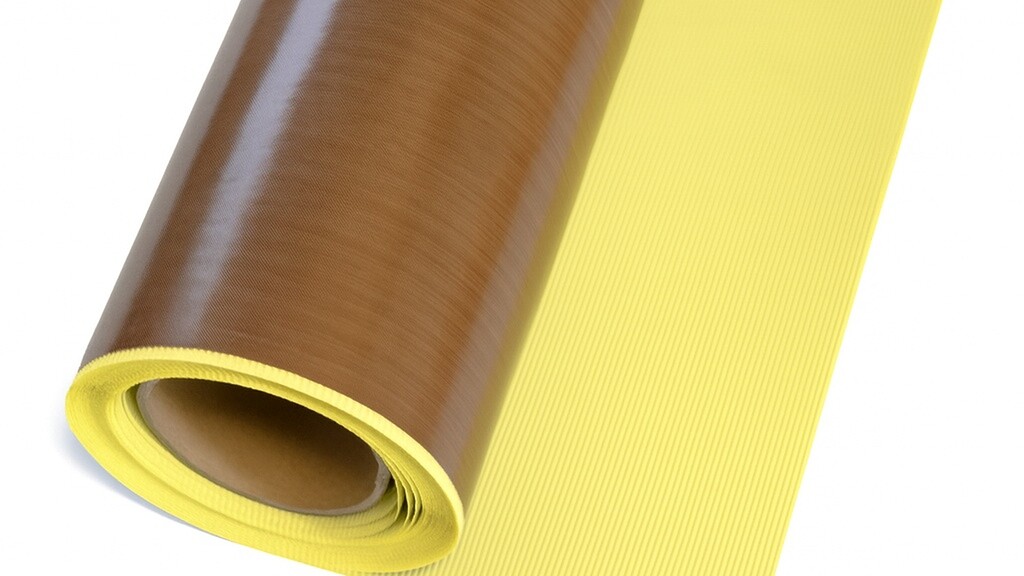
Teflon oilcloths and tapes are specialized materials made of PTFE (polytetrafluoroethylene), which are characterized by:
- very low coefficient of friction,
- resistance to high temperatures (up to approx. 260°C),
- anti-adhesive properties (preventing the foil from sticking).
Practical example:
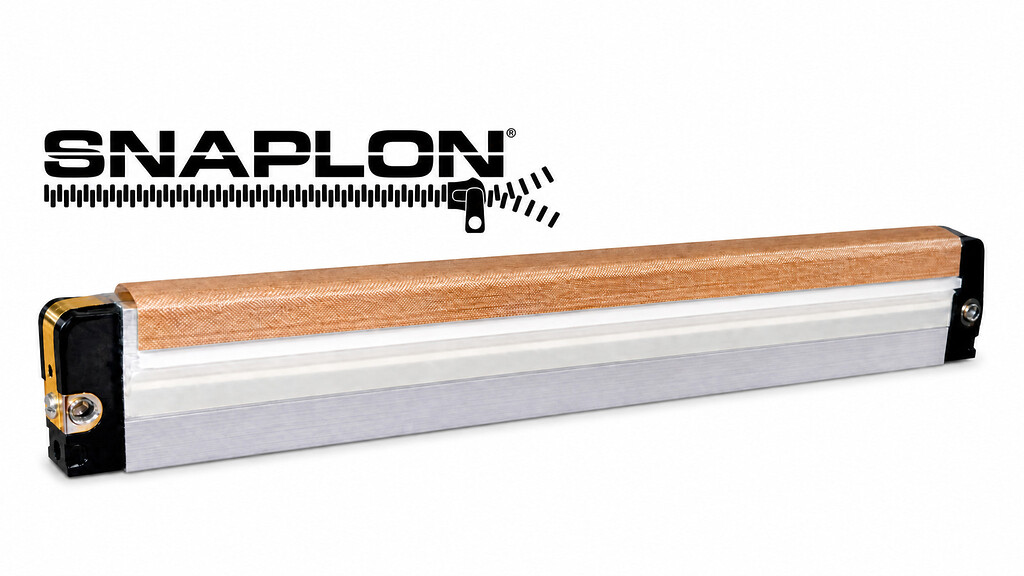
Flow-pack packaging machines use adhesive-free tapes that are mechanically mounted on sealing jaws, ensuring cleanliness and easy disassembly.
Types of oilcloths and Teflon tapes
1. With glue
- Easy application – mounting without additional tools
- Perfect for quick repairs during production
- Available in various widths – e.g. Teflon tapes
2. No glue
- Mechanical assembly – clamps, clamps, set screws
- Higher durability in continuous operation
- Recommended for processes where the temperature is very high and the glue could degrade
The use of oilcloths and Teflon tapes with and without adhesive
Industries using these materials:
- Food – vacuum packaging, MAP, heat shrink
- Pharmaceutical – blistering, sacheting
- Cosmetics - sealing of individual packaging
- Technical – insulation in high-temperature processes
Typical applications in packaging machines:
- Protection of heating elements against foil sticking
- Maintaining the cleanliness of the weld
- Reducing friction and wear of moving parts
Advantages of using oilcloths and Teflon tapes
Benefits for the user:
- Extended parts life
- Less downtime – quick replacement of worn sections
- Cleaner packaging process – no burns or residue
- Savings – fewer complaints related to faulty welds
Disadvantages and limitations
- Higher cost than standard materials
- Susceptibility to mechanical damage (cuts, abrasions)
- They require proper installation for full effectiveness.
Practical use cases in the packaging industry
- HFFS/VFFS – protection of sealing jaws in foil wrapping machines
- Vacuum lines – oilcloths prevent bags from sticking to the heating elements
- Confectionery production – conveyor belts prevent chocolate from sticking
Comparison table of oilcloths and Teflon tapes
| Characteristic | With glue | Without glue |
| Installation | Fast, simple | Requires mechanical fastening |
| Temperature resistance | Up to 260°C | Up to 260°C |
| Durability | Mean | High |
| Cost | Lower | Higher |
| Application | Quick repairs, short runs | Continuous production, high loads |
Statistical and market data
- The global PTFE packaging market will reach $1.2 billion by 2030 (source: Grand View Research)
- More than 60% of PTFE tapes are used in packaging machines in the food industry.
- Average belt life in continuous operation: 3–8 weeks, depending on conditions
The most common mistakes when using
- Installing the tape with excessive tension causes it to break
- Using the wrong type (adhesive vs. non-adhesive) for a given temperature
- Lack of regular replacement despite visible wear
Summary
Teflon cloths and tapes, both with and without adhesive, are an essential element in packaging processes in many industries.
Their use increases efficiency, improves product quality and reduces maintenance costs.
If you are looking for proven solutions, check out our offer in the following categories:
➡️ Teflon tapes with adhesive
➡️ Teflon oilcloths with glue
FAQ
1. What is the difference between oilcloths and Teflon tapes?
Oilcloths are larger PTFE sheets, tapes are narrow strips – they perform a similar protective function.
2. Can Teflon tapes be used in contact with food?
Yes, provided you have FDA or EU 10/2011 certificates.
3. How often should Teflon tapes be replaced?
On average, every 2–8 weeks depending on work intensity.
4. Can adhesive tape be applied with heat?
It is better to apply it on a cool element so that the glue retains its properties.
5. Where to buy Teflon tapes?
In companies specializing in parts for packaging machines, such as PRO-TECH.
Need help choosing or a quote?
We'll help you choose the right part or solution for your machine. Call or write to us — we advise based on real hands-on maintenance experience.